The White Turf
Snow gallop in St. Moritz
Date:2017-2018Location:St. Moritz (Switzerland)
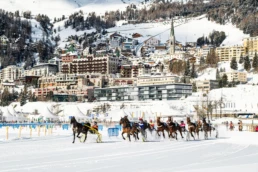
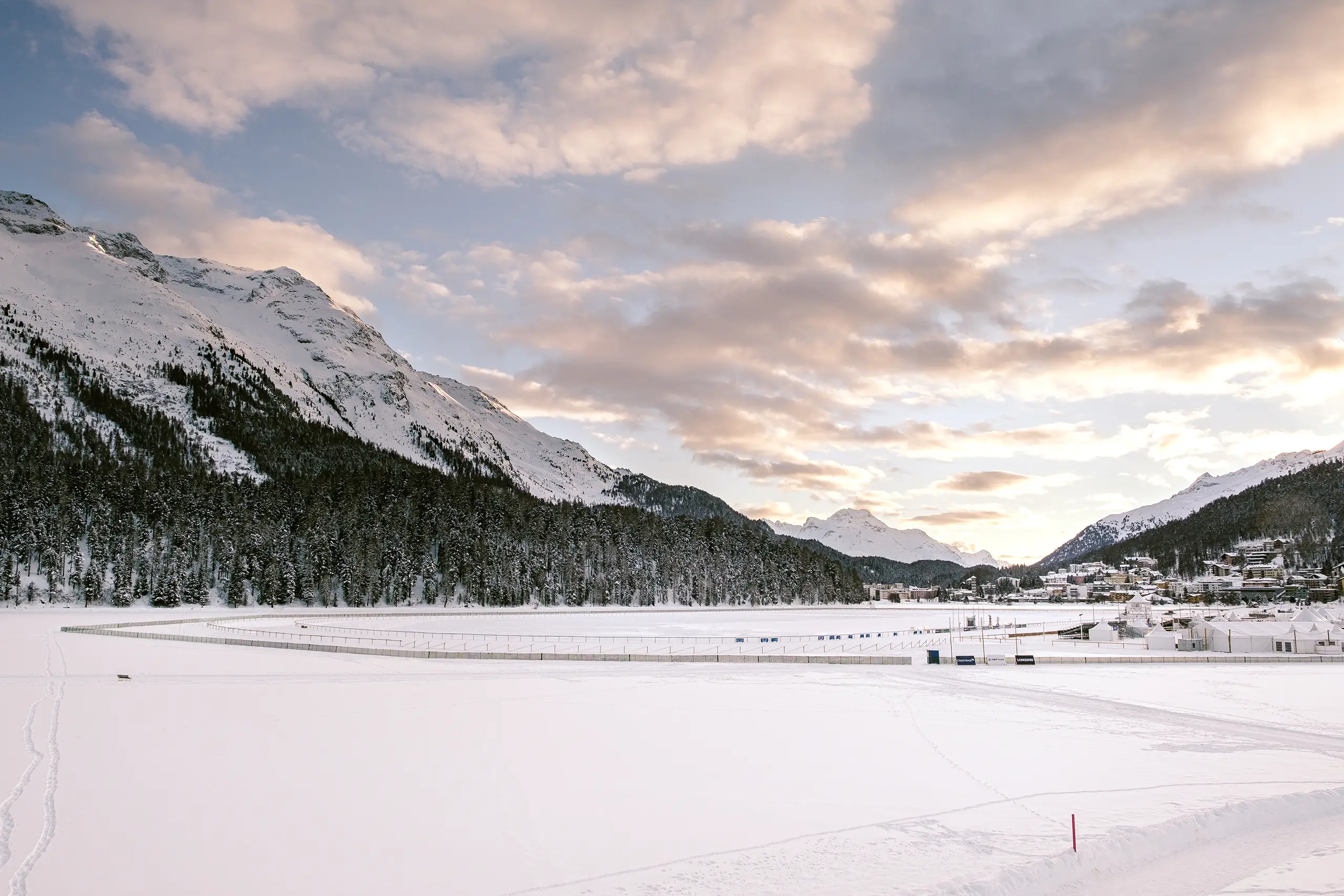
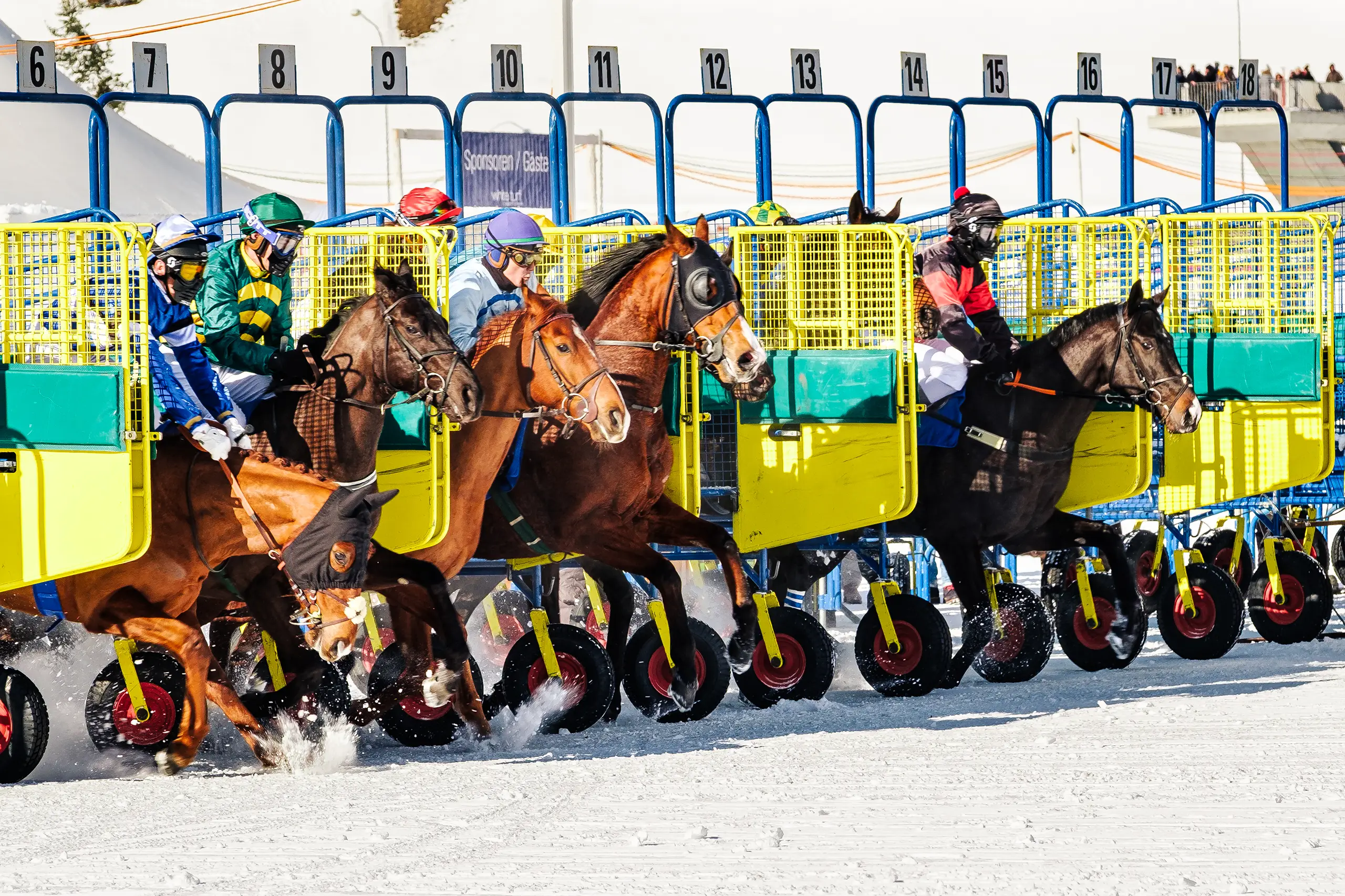
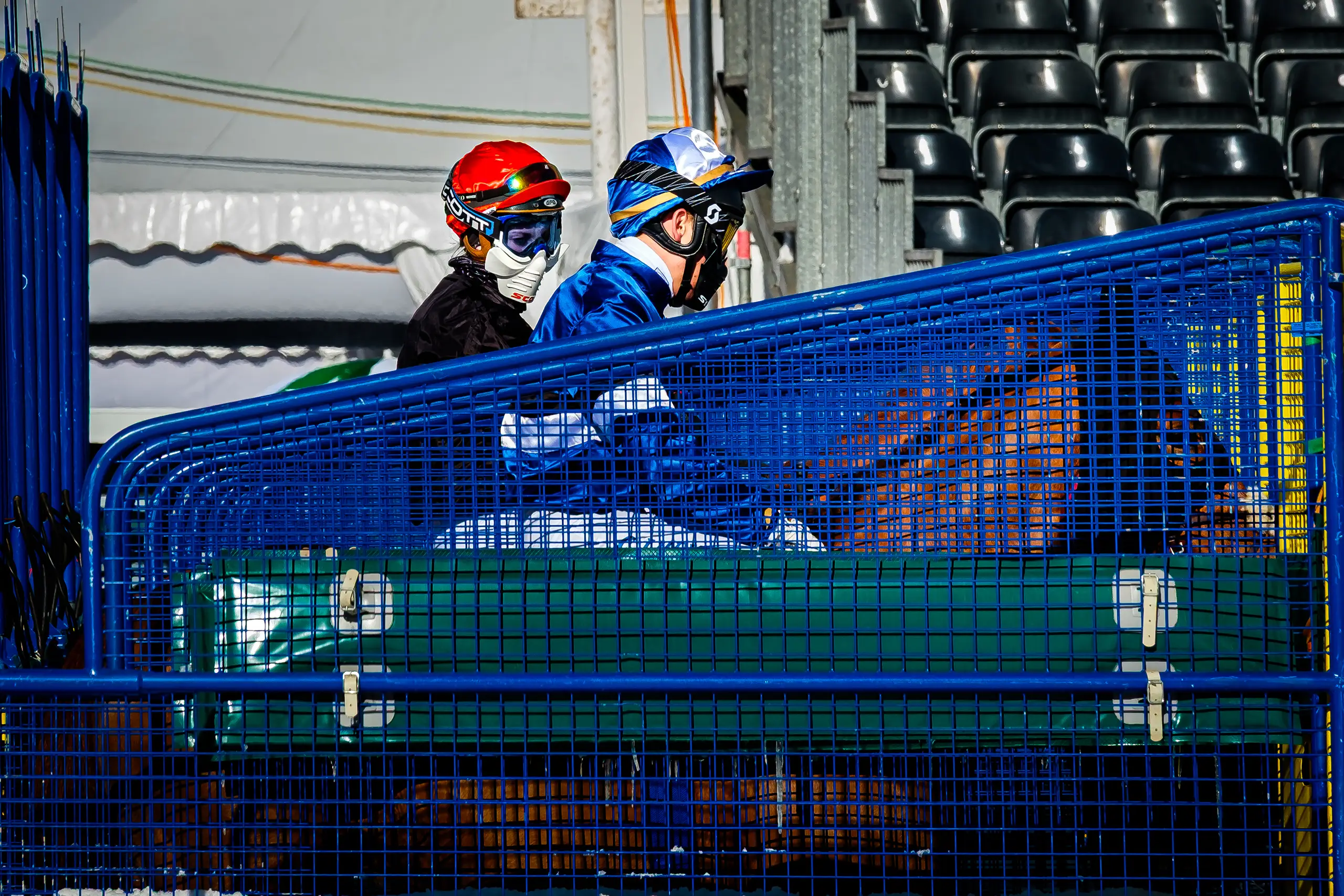
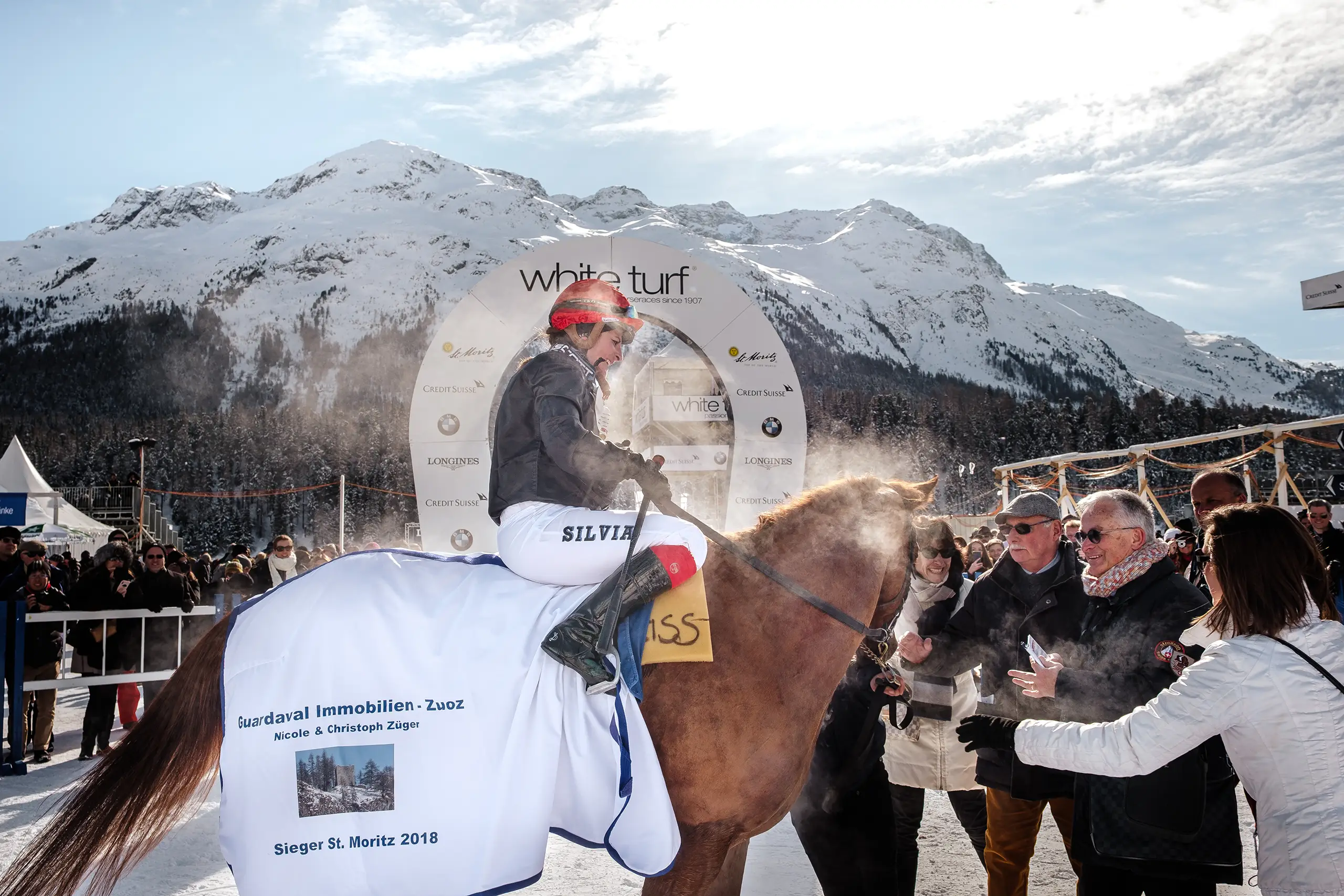
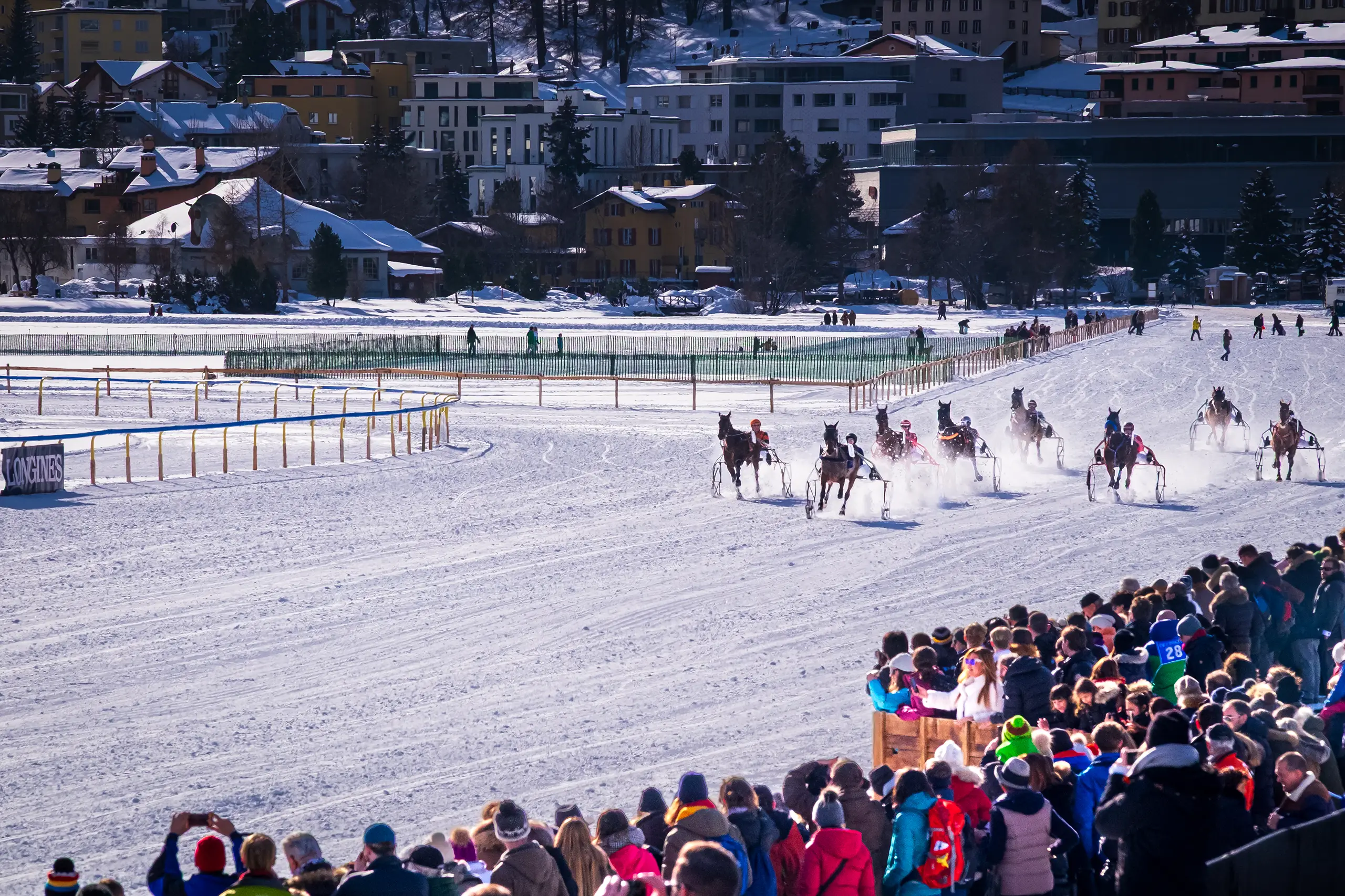
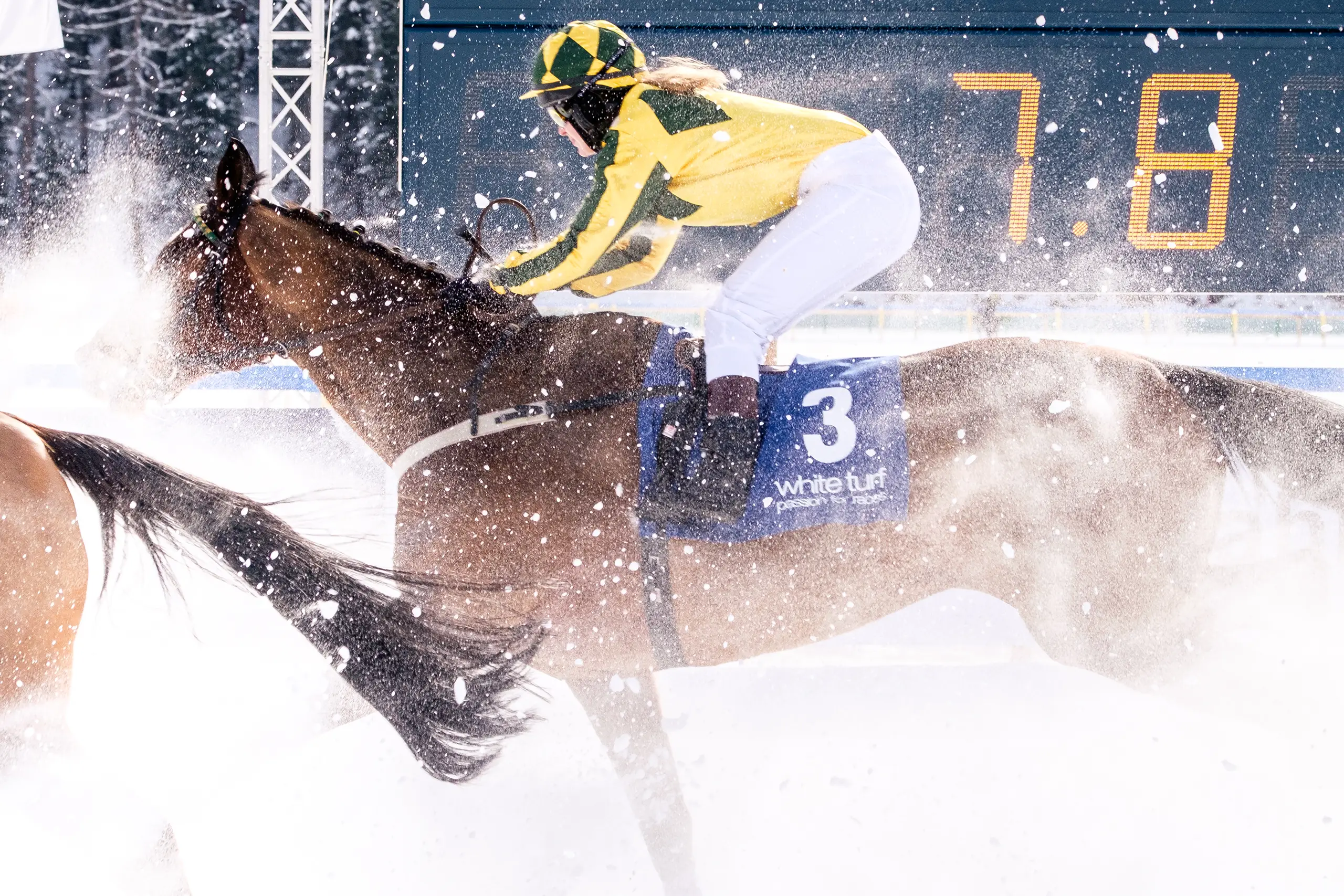
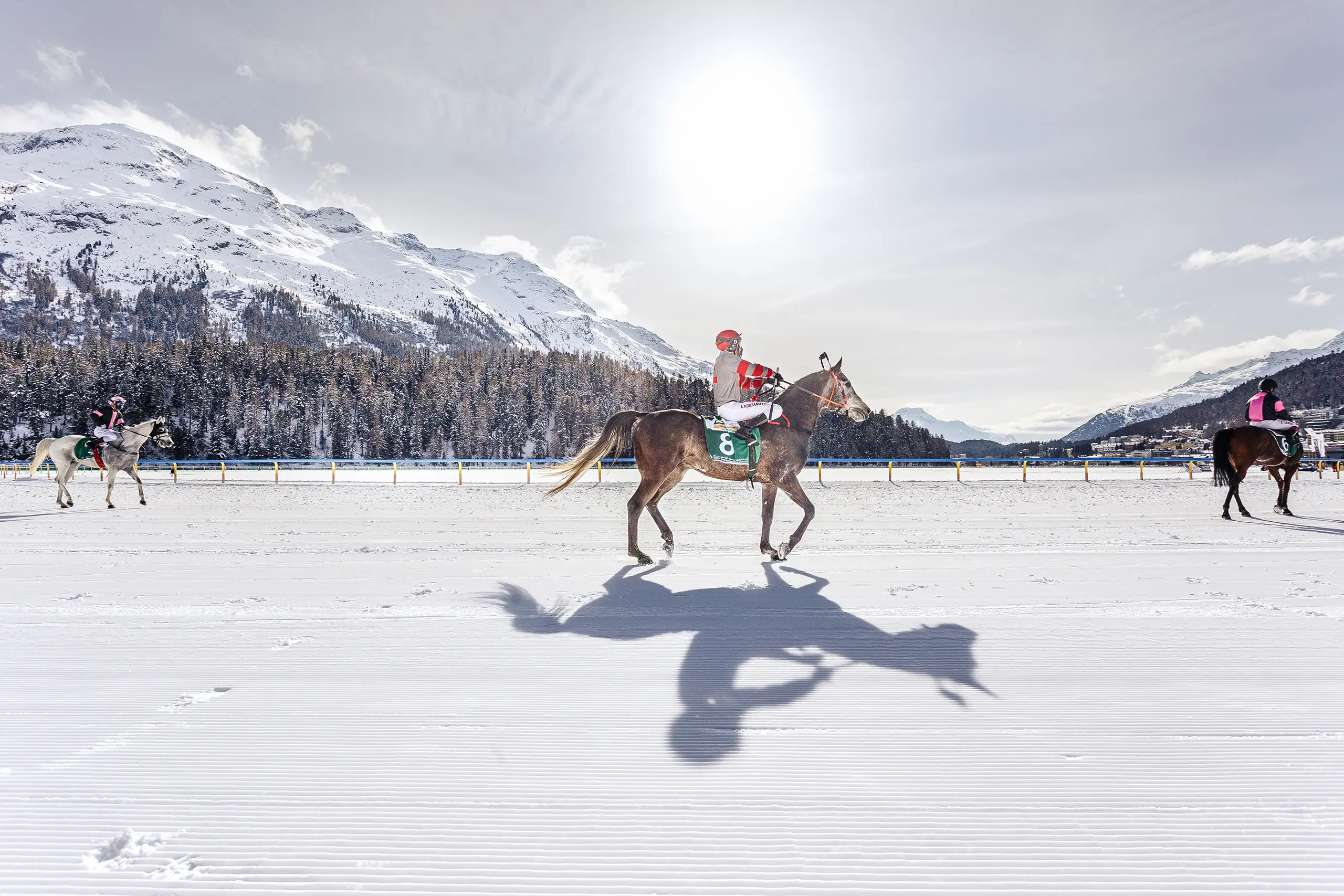
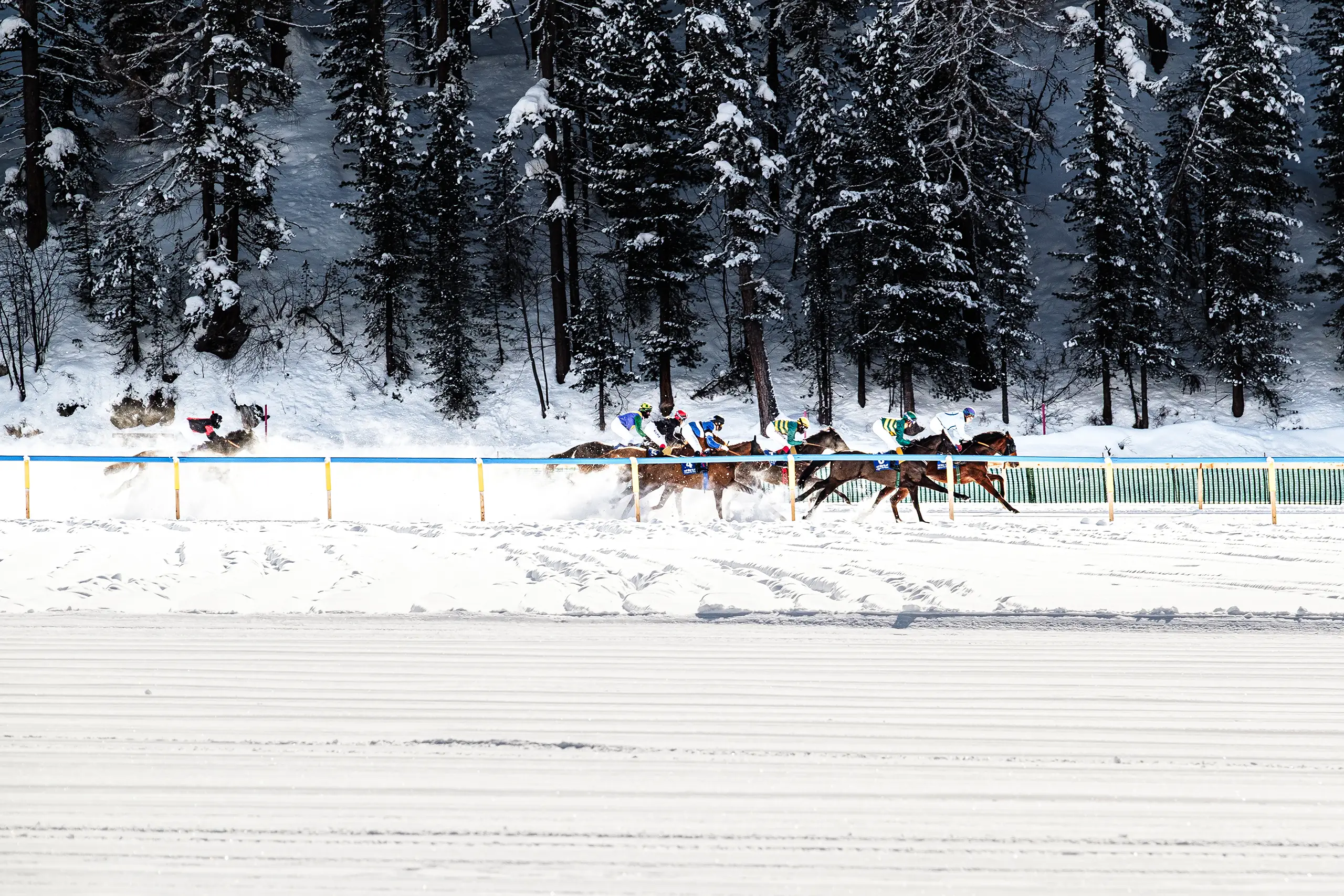
Thoroughbreds and jockeys compete on the frozen surface of the lake in St. Moritz, Engadin, during the opening day of White Turf St. Moritz, the international horse racing event founded in 1907 that replaces traditional turf circuits with a high-altitude snow surface.
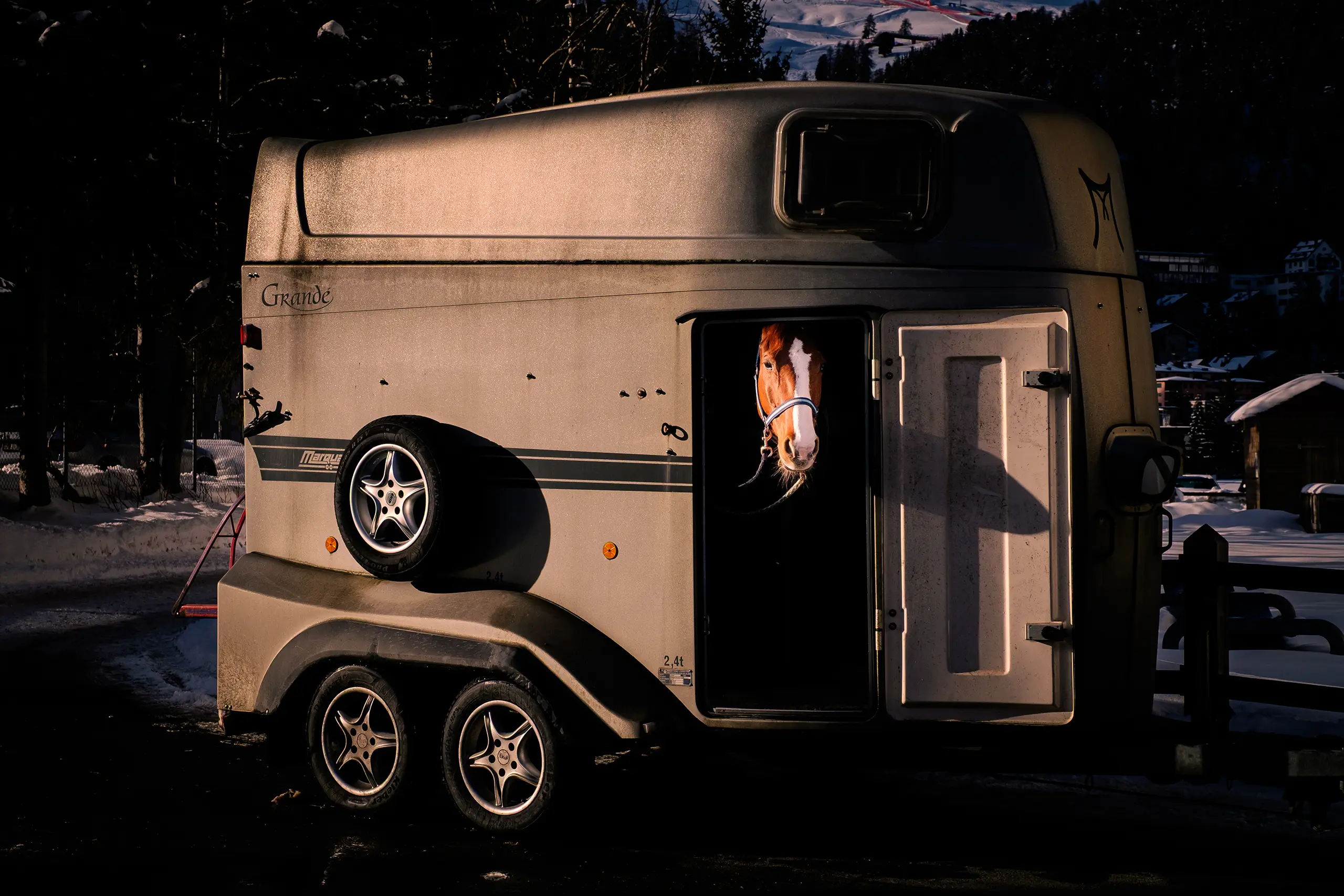
The 2017 and 2018 editions highlight the technical complexity of the event, where the hierarchies of traditional racing are disrupted by the sub-zero temperatures of the Swiss Alps and the unpredictability of the icy track.
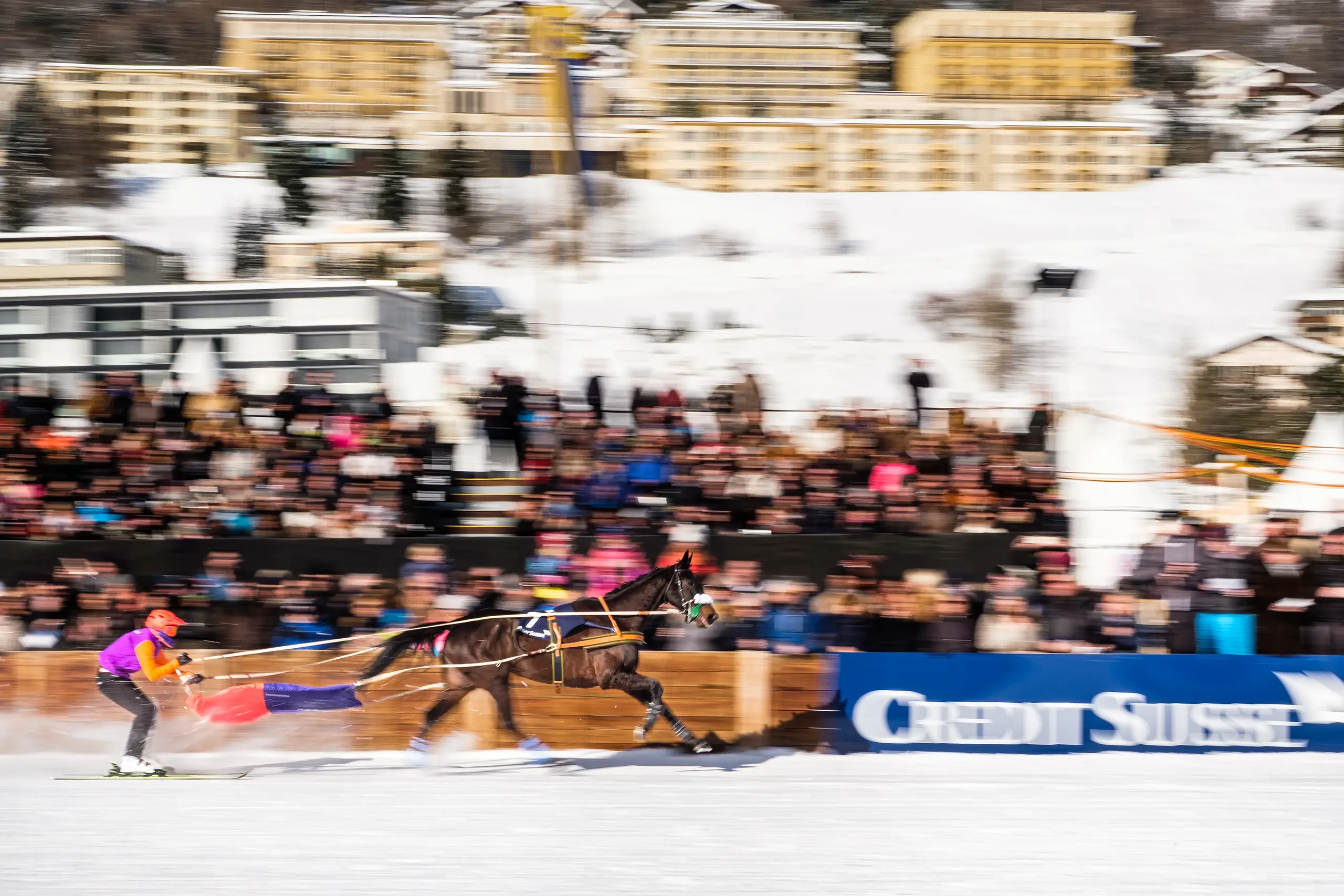
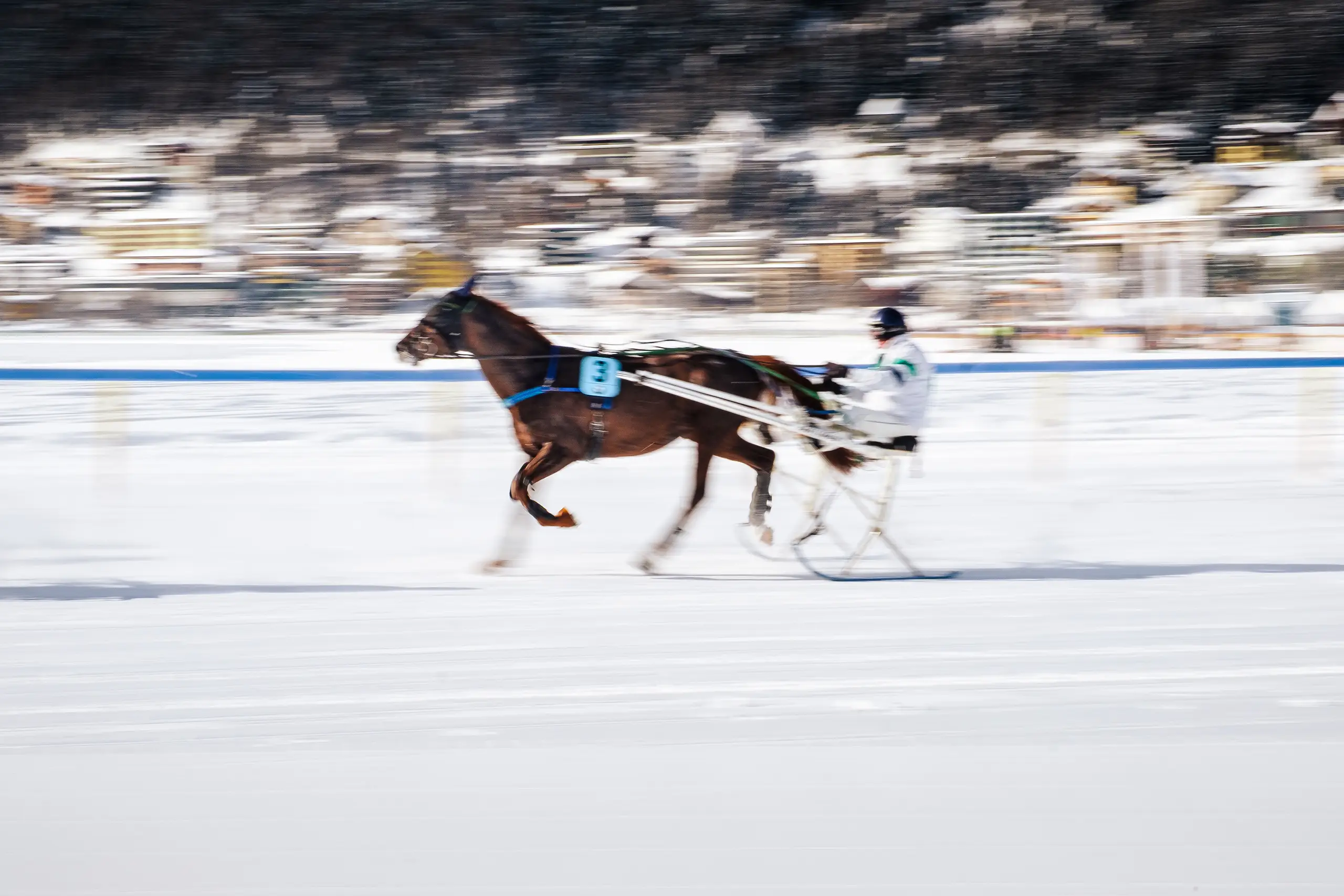
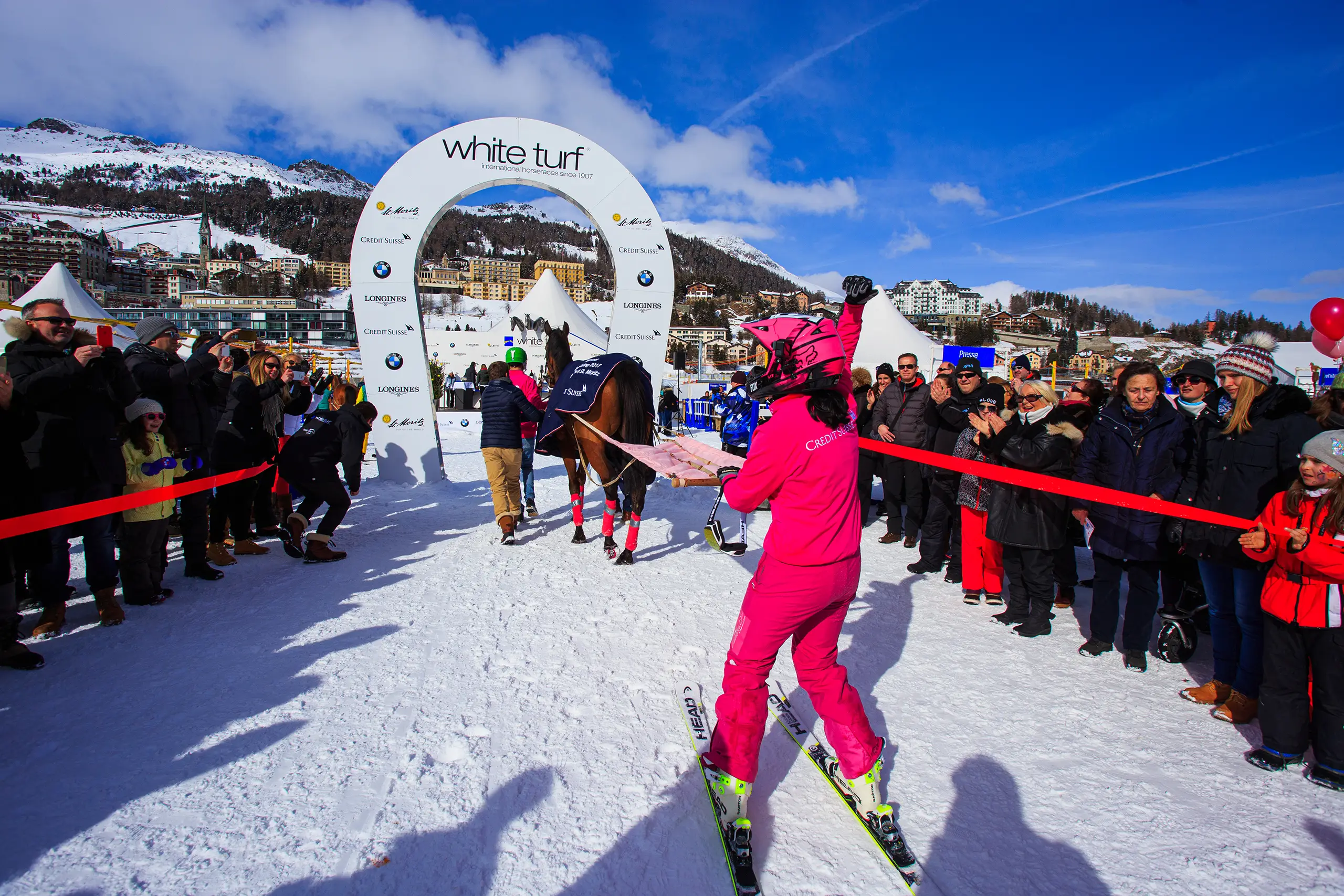
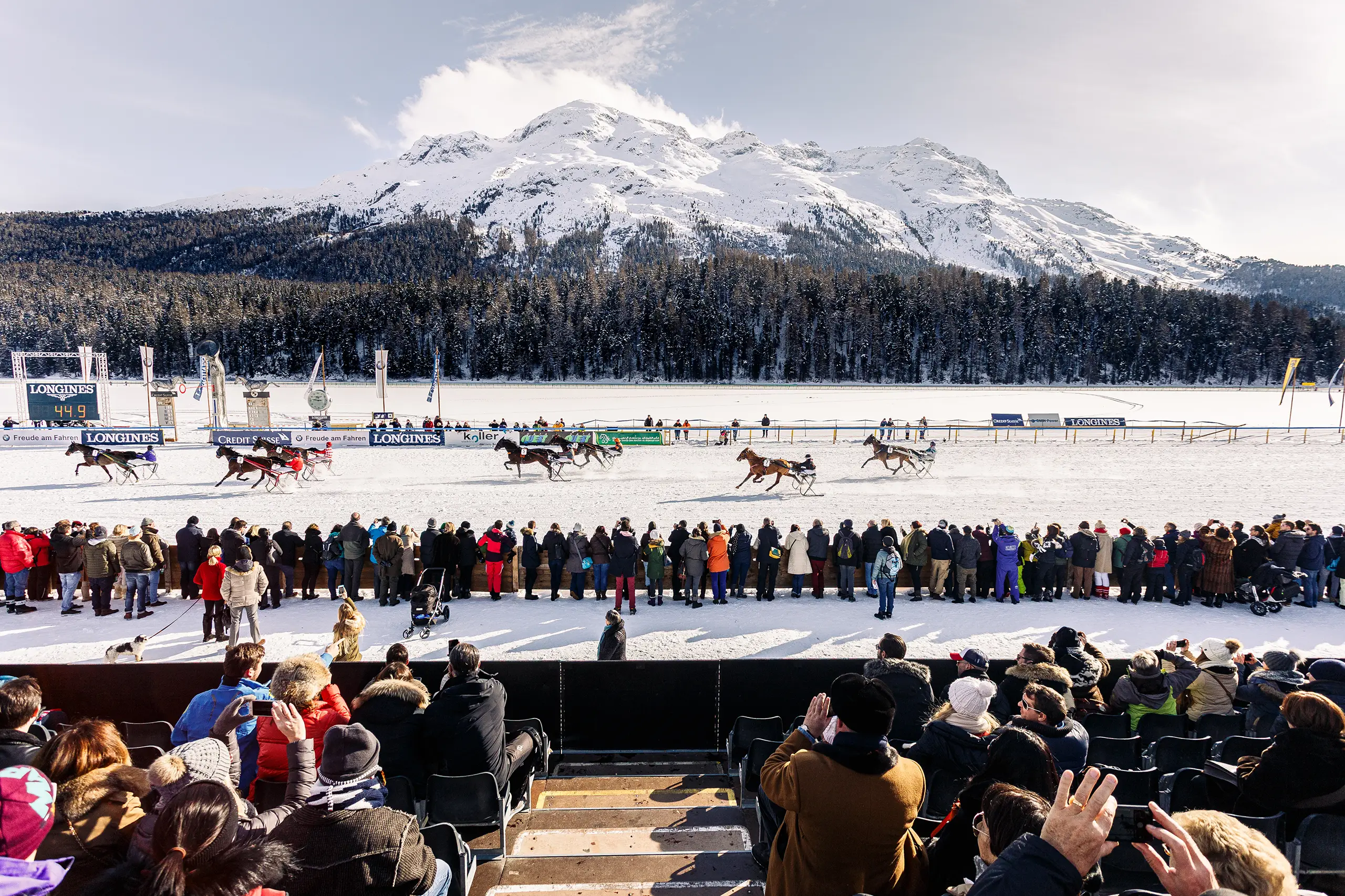
The official programme for the first Sunday of racing is divided into three specific disciplines: galloping, trotting, and Skikjöring, a competitive format in which athletes on skis are pulled by horses at speeds exceeding 50 km/h.
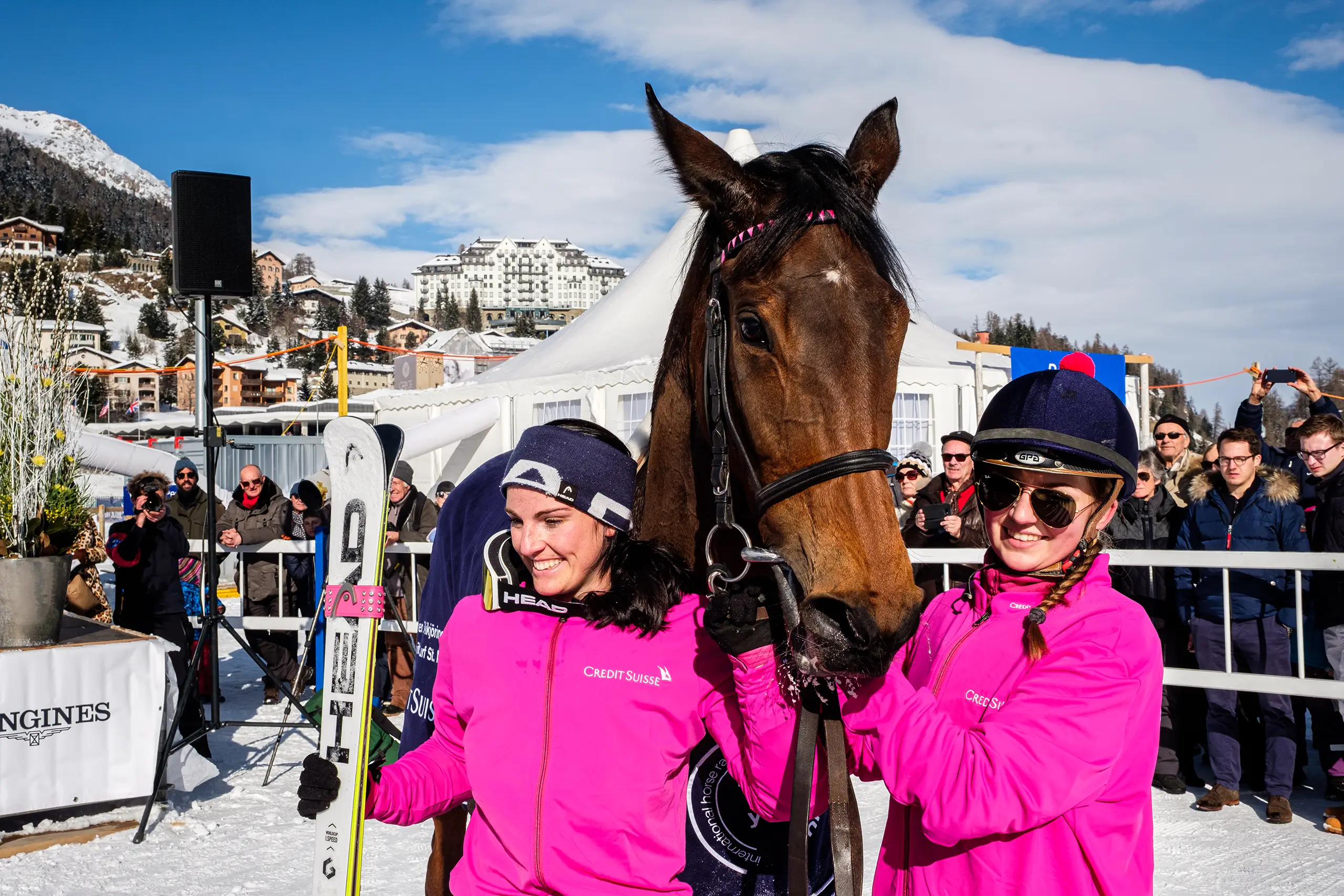
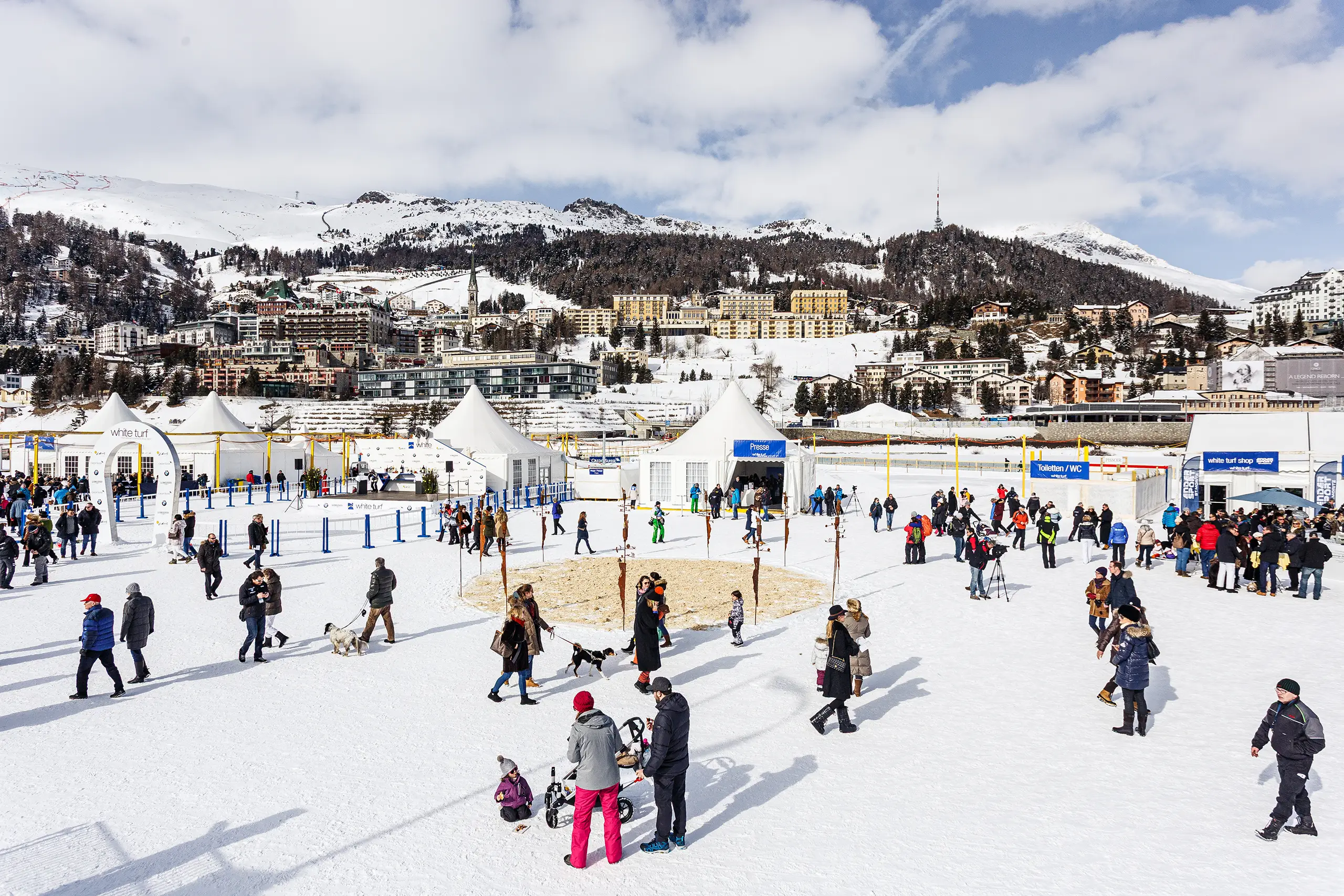
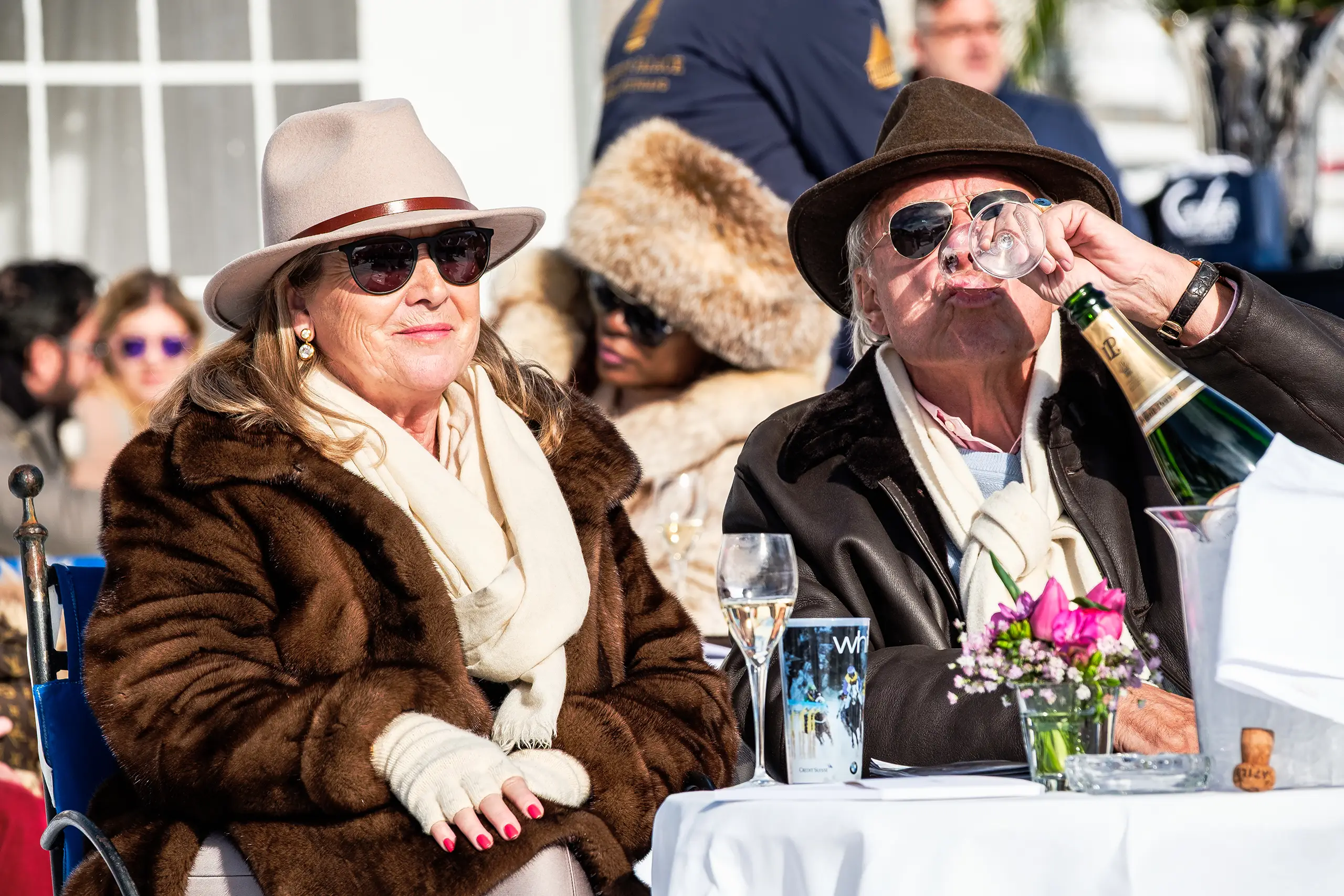
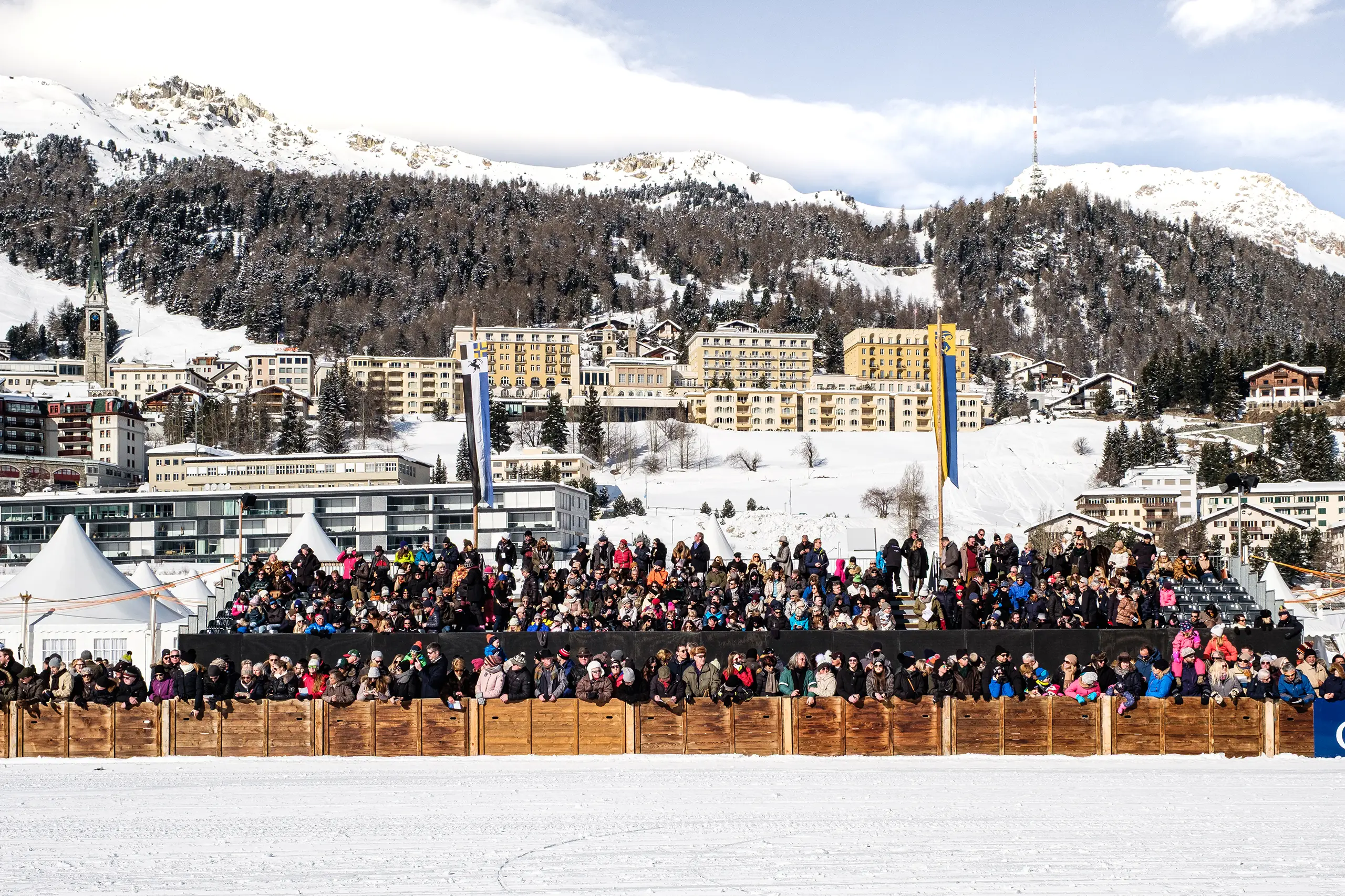
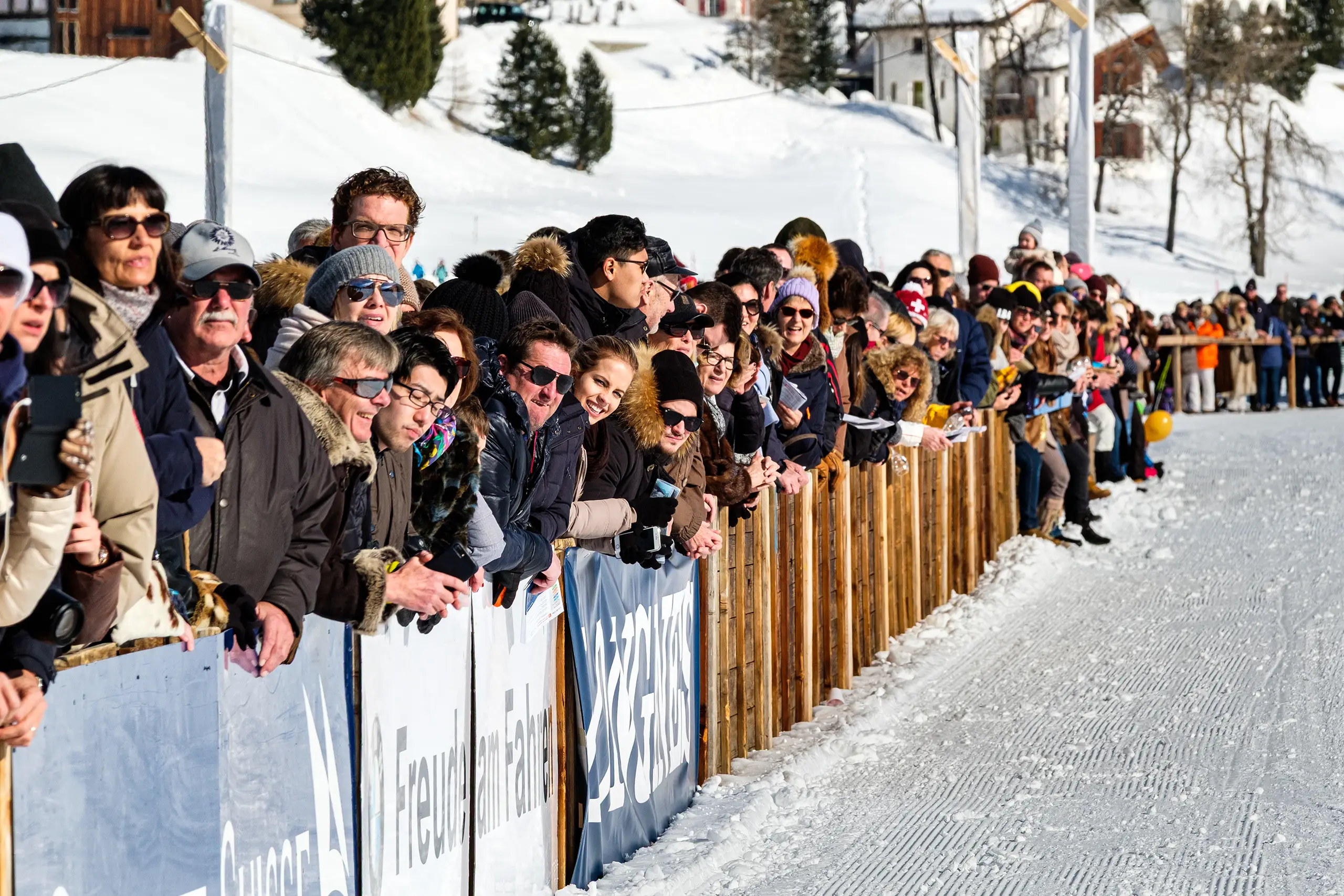
The event draws a crowd composed of high-society figures and racing professionals, operating as a complex logistical structure where the competitive adrenaline on the track is set against the geometric and climatic rigour of the alpine landscape.
From Skikjöring to a Global Spectacle
White Turf owes its unusual format to a chance invention: in 1906, British winter tourists in St. Moritz devised skikjöring, a discipline in which a skier is towed across the snow by a galloping horse rather than riding it. The following year, organisers staged the first races on the frozen surface of Lake St. Moritz built around the new sport, and by 1911 flat racing had been added to the programme alongside trotting. Held over three Sundays each February, the event has grown from a local curiosity into one of the most attended winter fixtures in Europe, drawing more than 30,000 spectators across the season to watch thoroughbreds gallop, trot and pull skiers across ice more than a metre thick. For the event's official programme and results, see whiteturf.ch.